

How to Enhance Social Connections through Unique Experiences in the United States
Discover Local Culinary Events
As someone who thrives on innovation in the kitchen, I constantly seek out new experiences to inspire my culinary creations. One surefire way to keep the kitchen team buzzing with excitement and fresh ideas is by diving into cooking classes san francisco. This vibrant scene not only enhances your skills but also provides a perfect atmosphere for team bonding. Picture this: you and your crew, trying out a new technique under the iconic ceiling of the Ferry Building Marketplace. You can almost taste the creativity in the air.
On a similar note, a pottery class san francisco can be an unexpected yet rewarding way to aid communication within your team. The patience and finesse required in pottery can translate well into the kitchen. It’s all about honing your craft—whether you're shaping clay or refining a dish—and sharing laughter over a mishap that turns into a masterpiece.
Moreover, incorporating virtual team building activities, especially in an industry marked by demanding schedules, can bridge the gap between work and fun. Virtual wine tastings, where you discuss pairing wines with your menu, can inject a refreshing change into routine meetings. These kinds of events nurture a sense of community even among geographically dispersed teams.
Integrating these multifaceted experiences can invigorate your team’s dynamic, ensuring that the creative juices keep flowing.
Explore Adventure Activities
Hot Air Balloon Rides
Floating above the skyline in a hot air balloon offers a perspective like no other. It's a unique activity that combines adventure and tranquility, providing an escape from the hustle and bustle of everyday life. Imagine drifting silently over landscapes, witnessing sunset hues splashing across the skies. Whether it’s for personal reflection or a team-building endeavor, hot air balloon rides serve to inspire awe and foster paint and sip Chicago-like camaraderie moments. Sharing this serene experience with colleagues can open up new conversation avenues, nurturing a bond that extends beyond the confines of a typical work setting.
Guided Nature Retreats
Guided nature retreats present a fantastic venue for resetting and rejuvenating both body and mind. Trails through majestic forests or guided meditations on quiet shores can serve as a remarkable pause from hectic schedules. These retreats not only rejuvenate spirits but also cultivate resilience and team synergy, akin to the pottery classes chicago in Chicago that encourage creativity and collaboration. It's about finding common ground and building shared memories in the heart of nature’s canvas, which can translate to improved teamwork back in the workplace.
Urban Scavenger Hunts
For those inclined towards excitement and exploration, urban scavenger hunts bring a dash of playfulness into the mix. This high-energy activity encourages participants to engage with their environment in a whole new way—solving clues, navigating hidden gems, and accomplishing challenges within bustling cityscapes. It mirrors the creativity sparked during pottery classes nyc and helps break down social barriers, encouraging collaboration among participants. Consequently, it becomes an excellent exercise in problem-solving and team dynamics, all within the vibrant backdrop of the city. This can enhance workgroup cohesion, much like the spirited evenings spent in social events within San Francisco's Mission District.
Engage in Hands-On Workshops
Artistic Expression Classes
When it comes to letting your creative side shine, artistic expression classes make excellent team building activities NYC has to offer. These classes step beyond traditional paintings and allow participants to explore a whole new dimension of art, often incorporating unexpected materials and techniques. I recall when our team signed up for a paint and sip nyc; it was the perfect blend of creativity and relaxation, giving my team the chance to bond while expressing their artistic individuality.
Mixology and Beverage Crafting
Team up and shake it up with mixology classes that are both educational and entertaining. Imagine your team learning to craft signature cocktails with a twist, right in the Mission District of San Francisco. Mixology classes not only introduce diverse flavors and presentation styles but also hone communication skills as teams collaborate to invent unique concoctions. I noted how crafting cocktails together helped us bond after a particularly stressful week at work.
Custom Jewelry Making
Unleash your inner artisan with custom jewelry-making workshops that merge creativity and focus. From crafting intricate designs to succeeding in transforming raw materials into wearable art, these workshops often encapsulate a rewarding sense of accomplishment. I remember trying this with colleagues and being amazed at how engaged everyone was, even learning new techniques we hadn’t considered before.
These hands-on workshops provide excellent opportunities for developing creativity, enhancing team spirit, and finding new hobbies outside the workplace.
Align with Cultural Experiences
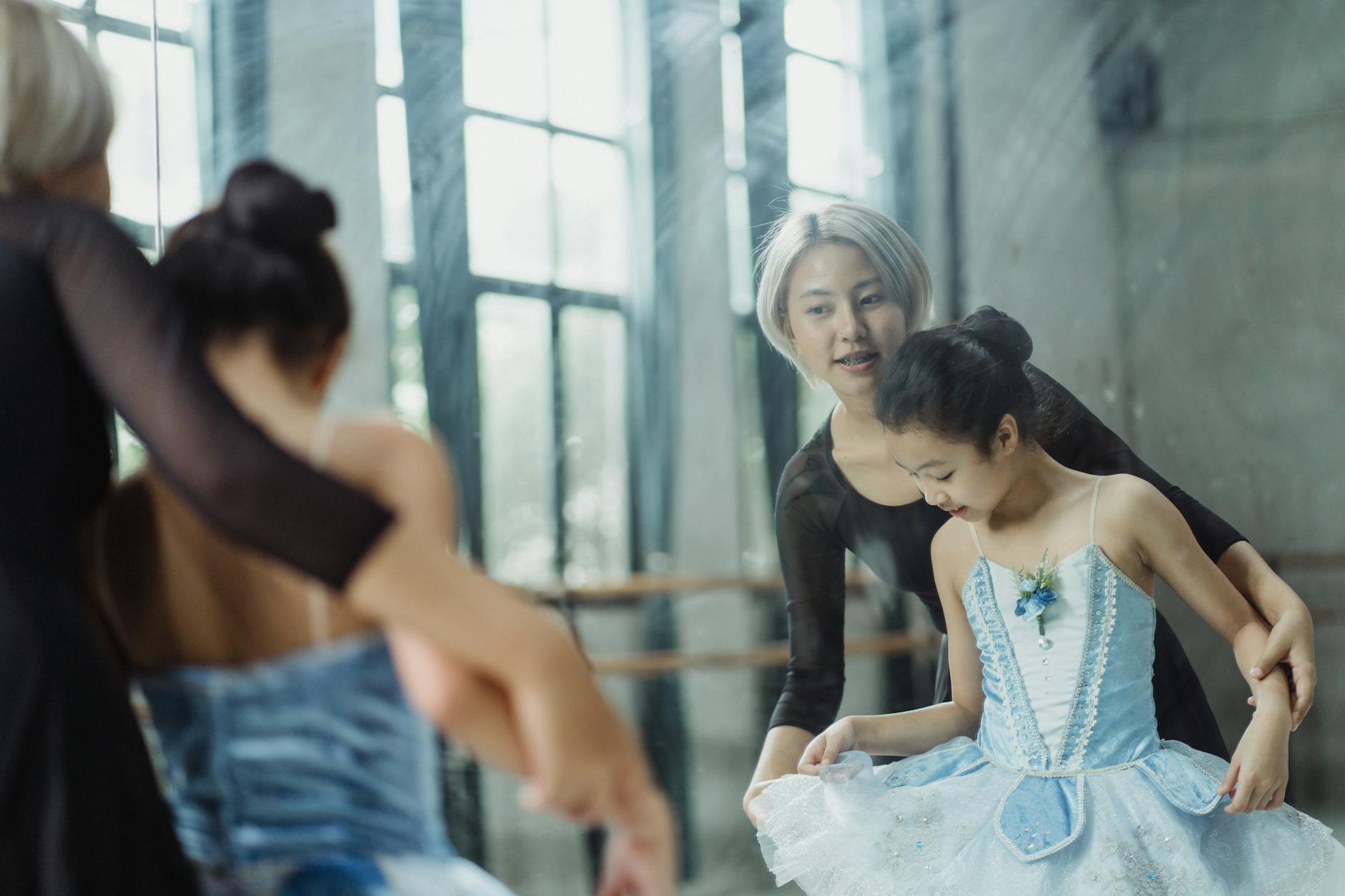
Stepping into a new cultural experience can be invigorating for both personal growth and team cohesion. Historic site immersions are a great way to gain insights into local history and understand the diverse influences that have shaped regions. For someone like me who thrives on innovation, these experiences can provide a deep well of inspiration for fresh menu ideas. Traditional dance classes offer a unique cultural perspective and involve teamwork as participants learn rhythm and coordination. It's a chance to shake up the usual team dynamic in a fun way.
I’ve recently tried incorporating local festivals into our team’s activities. It's fascinating to witness how these vibrant events can bring a team together. Thankfully, New York City never runs short of options. A festival can be the perfect blend of culture, food, and entertainment—a trinity that resonates well within a culinary team environment.
If you’re based in NYC, chances are you might have explored various baking classes nyc or even tried couples cooking classes nyc to mix things up. These activities not only offer skill development but also allow team members to bond over shared experiences, enhancing communication and camaraderie.
Engaging in these cultural activities can transform a simple outing into a meaningful experience, inspiring creativity and strengthening bonds among team members.
Best Practices in Team-Building Experiences
Balancing Fun and Skill Development
Let's talk about striking that perfect balance between having a blast and, you know, actual skill development. I've found that mixing a bit of healthy competition with collaborative challenges works wonders. Think about something like an urban scavenger hunt in the Mission District. It's the perfect way to combine fun with sharpening those problem-solving skills. Those quirky trivia questions and unique tasks don't just make for great Instagram stories—they also encourage strategic thinking and teamwork.
Tailoring Experiences to Your Team
When it comes to tailoring experiences for your squad, understanding your team’s vibe is key. If your crew is anything like mine, you'll know that some folks are all about chilling at a Golden Gate Park picnic, while others might prefer hands-on mixology classes. At the Ferry Building Marketplace, for instance, the culinary adventures are legendary for satisfying the 'foodie' in all of us. It’s about knowing what lights a fire under your team and leveraging that for maximum engagement.
Leveraging Online Communities for Ideas
And let's not forget the power of online communities when you're stuck in an idea rut. Joining forums or groups on platforms like Reddit or Meetup can unlock a treasure trove of insights from fellow developers. For instance, I once stumbled upon a post about a pop-up dining experience that turned into a spontaneous team outing. It's amazing how connecting with others can lead you to discover innovative team-building maneuvers you might never have considered on your own.